Balayage is one of the most-searched hair terms and one of the most loosely used. Here's a precise answer to what it actually is.
The technique
Balayage (French for "sweeping") is a freehand application method. Instead of sectioning hair into foils with a brush and applying lightener uniformly from root to end, the colorist paints lightener directly onto the surface of the hair in a sweeping motion, with the heaviest application at the mid-shaft and ends and a feathered, graduated application toward the root.
No foils are used. The lightener is exposed to air, which slows the lifting process and allows for a more gradual, blended result.
What balayage looks like
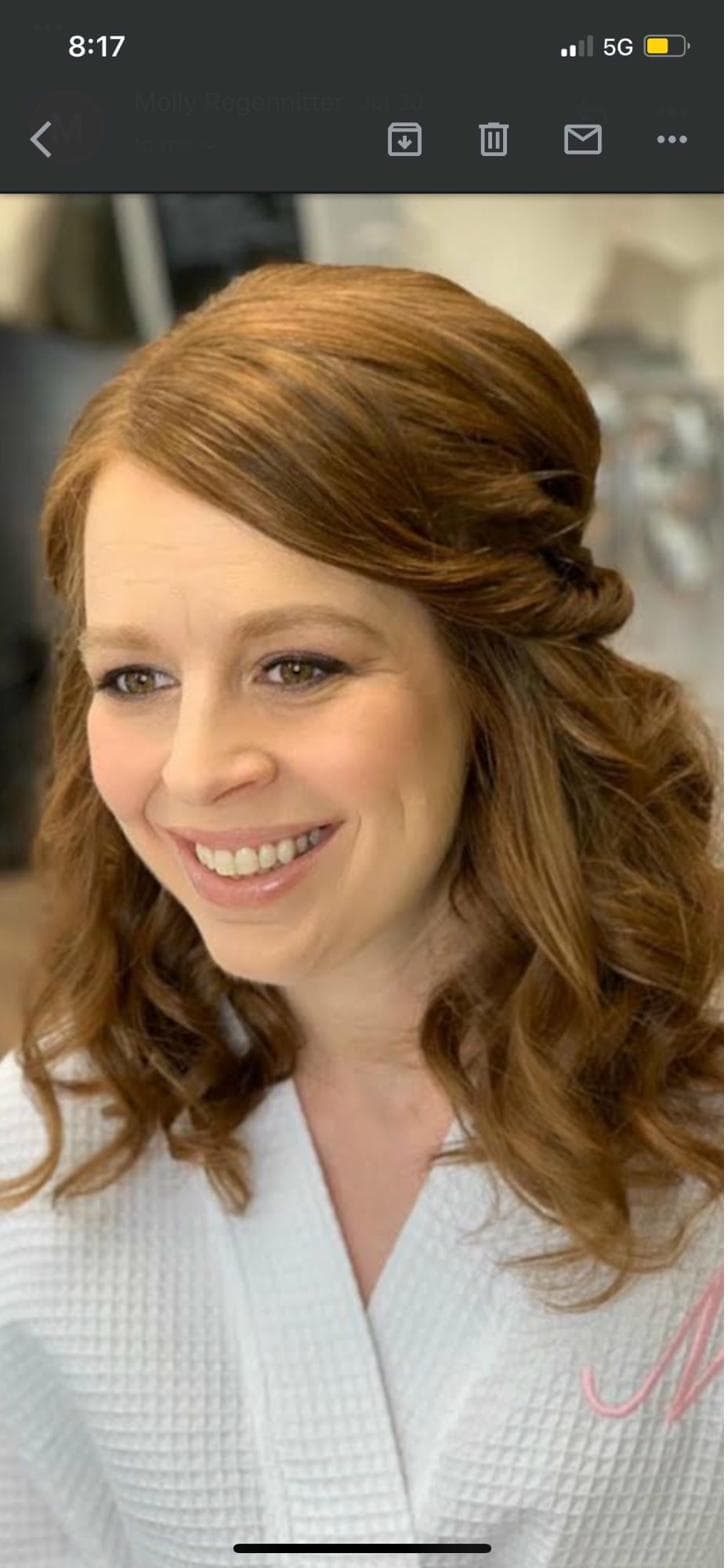
The result is a natural, sun-kissed gradation — darker at the root, lighter through the length and ends. The transition between the natural base and the lightened sections is soft and blended, not defined. When done well, balayage doesn't look like it was done at all. It looks like your hair just does that.
Good balayage is invisible. No one should be able to tell the difference between intentional technique and natural sun-lightening. That's the standard.
Who balayage is for
Balayage suits people who want a low-maintenance, natural-looking color — those who don't want to be at the salon every 6–8 weeks for root touch-ups. Because the application is concentrated away from the root, the regrowth is soft and the between-appointment look is intentional rather than grown-out.
Who balayage is not for
Those who want significant lift on very dark hair in one session — balayage may not achieve the degree of lightening that foil work can. Those who want a defined, high-contrast result — the soft graduation of balayage is not the right technique for every aesthetic. The consultation determines fit.
Want to know if balayage is right for your hair? Book a consultation at the MAVON studio in Copley.
Let's Talk →Frequently Asked Questions
What is balayage?
Balayage is a French hair coloring technique where lightener is applied freehand directly onto the hair rather than using foils. The application is concentrated mid-shaft to ends, creating a graduated, natural-looking lightening effect that resembles how hair naturally lightens in the sun.
What does balayage look like?
Balayage creates a graduated color result — darker at the roots, progressively lighter through the mid-lengths and ends. The transition is soft and blended rather than defined. The result looks natural and dimensional, not uniformly colored.
Is balayage damaging to hair?
Any lightening process involves some chemical impact on the hair. Balayage, applied by an experienced colorist, is generally considered lower-damage than traditional full-foil highlighting because lightener is not applied to the root and the hair has some natural variation in application. Hair health should be assessed at the consultation.